Revitalize Your Nerves: A Holistic Approach to Nerve Health Through Functional Medicine, TCM, and Physiotherapy
Revitalize Your Nerves: A Holistic Approach to Nerve Health
Introduction
Nerve health is fundamental to your overall well-being, yet many people don’t realize how much their daily habits and lifestyle choices impact their nervous system. Whether you’re experiencing tingling sensations, numbness, weakness, or chronic pain related to nerve dysfunction, understanding the root causes and exploring a comprehensive treatment approach can transform your health journey.
In this article, we’ll explore how functional medicine, Traditional Chinese Medicine (TCM), and physiotherapy work together to address nerve health from multiple angles, helping you achieve lasting healing and recovery.
Understanding Nerve Health: The Foundation
Your nervous system is responsible for transmitting signals throughout your body, controlling everything from movement and sensation to organ function and emotional regulation. When nerves become damaged or dysfunctional — condition known as neuropathy — it can manifest in various ways: peripheral neuropathy (affecting limbs), diabetic neuropathy, post-viral neuropathy, or nerve compression syndromes like carpal tunnel.
The conventional approach often focuses on symptom management through medications. However, a holistic approach recognizes that nerve damage typically stems from underlying imbalances that must be addressed at their root.
The Functional Medicine Perspective
Functional medicine operates on the principle that the body is an interconnected system. Rather than simply treating nerve symptoms, functional medicine practitioners investigate what’s causing the nerve dysfunction in the first place.
Common Root Causes of Nerve Dysfunction
Nutritional Deficiencies: B vitamins (especially B12, B6, and folate), magnesium, and alpha-lipoic acid are essential for nerve repair and myelin formation. Deficiencies in these nutrients can accelerate nerve degeneration.
Blood Sugar Dysregulation: Chronic high blood sugar damages nerve tissue through a process called glycation, where excess glucose attaches to proteins and creates inflammatory compounds. This is particularly relevant for those with prediabetes or diabetes.
Chronic Inflammation: Inflammatory markers like high homocysteine, elevated C-reactive protein, and oxidative stress directly damage nerve cells. Identifying and reducing sources of inflammation is crucial.
Metabolic Dysfunction: Mitochondrial dysfunction — the inability of your cells to produce energy efficiently — can leave nerve cells starved of the ATP they need to function and repair.
The TCM Perspective
Traditional Chinese Medicine views nerve health through the lens of Qi (vital energy) flow and blood circulation. In TCM, nerve dysfunction often relates to blockages in meridian pathways and deficiencies in specific organ systems.
TCM Treatment Strategies
Acupuncture: Specific acupuncture points stimulate nerve regeneration and restore Qi flow. Points like LI10 (Quchi), LI4 (Hegu), and GB34 (Yanglingquan) are particularly effective for nerve health.
Herbal Medicine: Formulas containing herbs like Ginseng (Ren Shen), Astragalus (Huang Qi), and Rehmannia (Shu Di Huang) nourish blood and Qi, supporting nerve regeneration.
The Physiotherapy Perspective
Physiotherapy focuses on restoring physical function, reducing pain, and preventing further nerve damage through movement and manual therapy.
Key Physiotherapy Techniques
Intramuscular Stimulation (IMS): This advanced dry needling technique targets tight muscles that compress or irritate nerves. By releasing these muscular restrictions, IMS restores nerve mobility and reduces pain.
Neural Mobilization: Specific exercises gently move nerves through their pathways, reducing adhesions and improving nerve gliding.
Strengthening Exercises: Progressive strengthening restores stability and reduces nerve compression.
The Integrated Approach
The magic happens when these three modalities work synergistically to address nerve health at the cellular level, energetic level, and functional level.
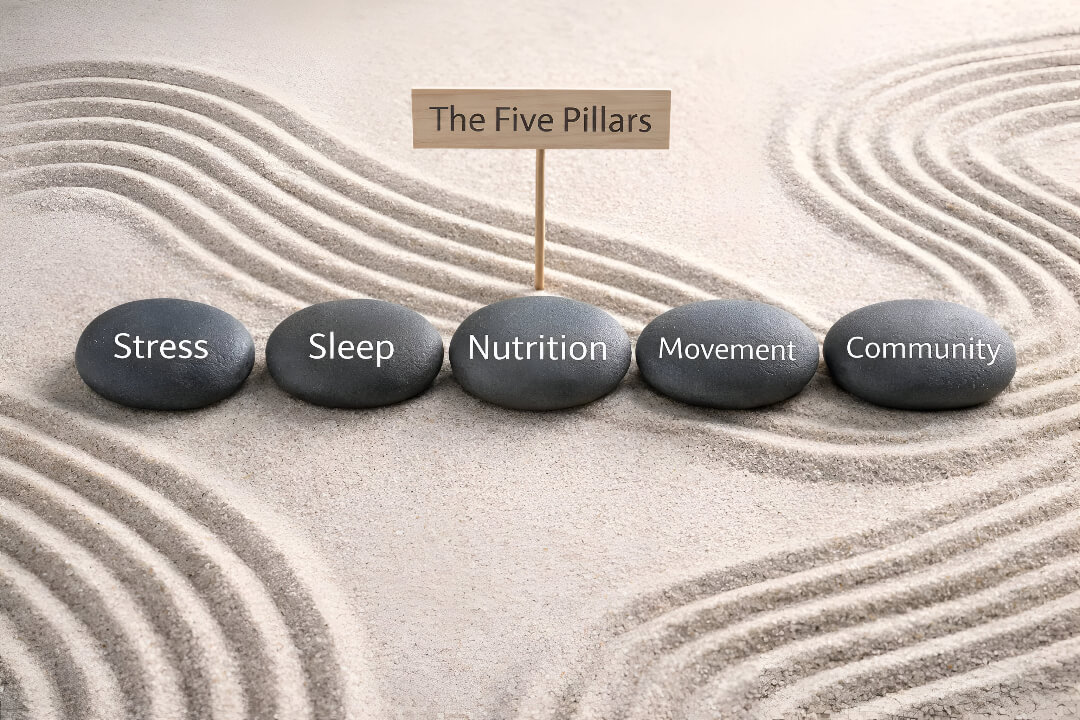
Lifestyle Factors That Support Nerve Health
- Sleep Quality
- Stress Management
- Nutrition
- Movement
- Avoid Toxins
Ready to revitalize your nerves? Schedule a free consultation to discuss your specific situation and create a personalized healing plan.


0 Comments